
Six short link settings worth using: expiration, password, targeting and more
Expiration, password protection, geo and device targeting, deep links, rotator. When each setting makes sense and what not to expect from it.
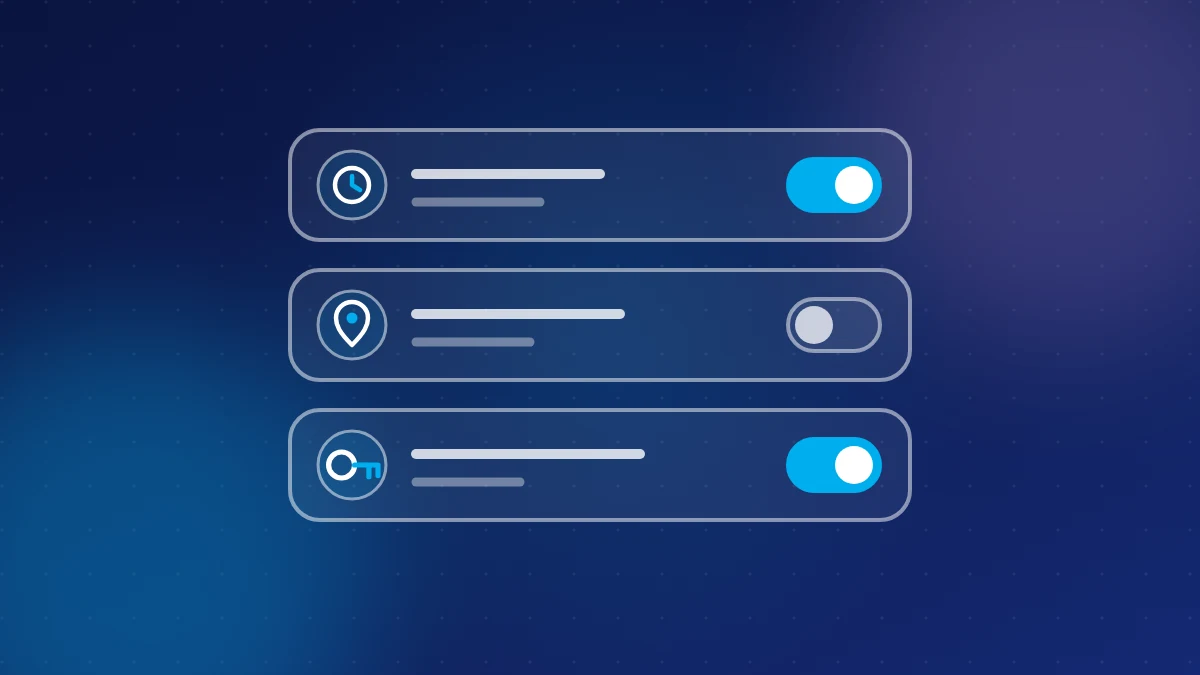
A short link is not just a smaller address. When you edit any link, Li-Nk gives you a few settings that change what happens when someone opens it. Here are six of them, with the situations where they really help.
Expiration
You choose a date after which the link stops working. It suits offers with a deadline (“until 31 October”), event invitations and discount codes. The expiration date must be later than today. On expiry you can show a message of your own instead of an error page: say what happened and where the person can go next.
Password protection
Whoever opens the link must enter a password. It is useful for materials you want to give only to a small group: a presentation file, a personalised offer. Keep in mind that it is an access filter, not a safe: do not put documents with sensitive data behind it, and do not send the password in the same message as the link.
Geo targeting
You can send visitors from different countries to different pages: Romanians to the Romanian version of the website, everyone else to the English one. The location is determined from the IP address, so it is approximate: a person using a VPN or a phone connected through another country will be treated as being there.
Device targeting
The same link can send visitors to different places depending on the device they open it on: for example, a simplified page for phones and a full one for computers. It is worth it if you have a page or an app made specifically for phones; choose the destinations from the list of devices the setting offers.
Deep links
A deep link goes straight into the app installed on the phone (for example your store’s app), not to the web page. The app address is set separately for Apple and for Google. Test it on both kinds of phone before you use it in a campaign.
Rotator and A/B testing
You put several destinations behind the same short link, and visitors are split between them. It is a simple way to test two landing pages: the same message, the same printed link, different destinations. You then compare the results in the statistics of each one.